How to build a minimalist fashion editorial type system
The most effective minimalist branding serif sans serif pairings for fashion editorial rely on extreme contrast. You need a high-contrast, elegant serif for striking headlines and a highly legible, neutral sans serif for captions and body text. This combination creates immediate visual hierarchy without adding decorative clutter to the page.
Why high contrast drives editorial layouts
Fashion editorials depend heavily on photography. Your typography should frame the images, not compete with them. A sharp serif brings a sense of luxury and tradition, while a clean sans serif grounds the layout with modern utility.
When readers scan a fashion magazine, their eyes naturally jump from the striking photography to the bold headlines, then down to the subtle details. The right type pairing guides this exact journey, keeping the minimalist aesthetic intact while delivering the necessary information.
This approach works best for seasonal lookbooks and high-end campaign pages. If you are designing for a quieter, more understated aesthetic, you might explore Scandinavian-inspired typography guides that favor lower contrast and wider tracking.
Adjusting type based on layout density and brand texture
Just as a stylist adjusts clothing for different proportions, an art director must adjust fonts based on visual weight, layout density, and brand texture.
- Image-heavy spreads: Use a delicate, high-contrast serif like Didot or Playfair Display. Keep the sans serif body copy small and widely tracked to let the photography breathe.
- Text-heavy essays: Opt for a sturdy transitional serif for subheads and a highly readable humanist sans serif for long-form captions to reduce eye strain.
- Seasonal shifts: Spring editorials often benefit from lighter serif weights paired with geometric sans serifs. Winter campaigns usually demand heavier, more grounded serifs to match the mood of the textiles.
- Avant-garde labels: If the brand leans experimental, look into luxury minimalist font pairings that mix an italicized serif with a monospaced sans serif for an unexpected, raw edge.
Common layout mistakes and quick fixes
The biggest mistake designers make is choosing a serif and sans serif with the exact same x-height and proportions. This makes the hierarchy blend together. Instead, pick typefaces with distinct structural differences.
Watch out for clashing terminals. If your serif has sharp, angled cuts, avoid pairing it with a sans serif that also features aggressive angles. Keep the sans serif completely neutral to let the serif do the heavy lifting.
Another frequent issue is tight leading on minimalist layouts. Fashion editorials require generous line spacing. Increase your leading by at least 20% compared to standard web design to maintain that premium, airy feel.
While editorial design focuses on art direction, remember that different industries require different structural approaches. For instance, the typography combinations used for tech identities prioritize screen readability and UI scalability over dramatic print contrast.
Your final art direction checklist
Before exporting your editorial pages, run through these quick checks to ensure your layout holds up in print and on screen.
- Verify that the serif headline and sans serif body copy have distinctly different x-heights.
- Check caption tracking; minimalist sans serifs usually require slightly looser letter-spacing at small sizes.
- Ensure your black text is set to rich black or 100% K depending on your printer's specifications, avoiding muddy dark grays.
- Print a single test page at actual size to confirm the body copy remains legible against the negative space.
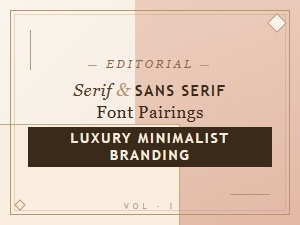 Serif and Sans Serif Pairings for Luxury Minimalist Brands
 Best Serif and Sans Serif Combos for Tech Startups
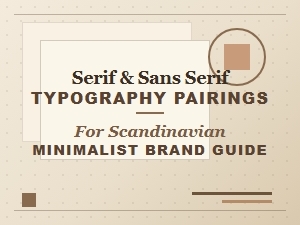 Serif and Sans Serif Pairings for Scandinavian Minimalism
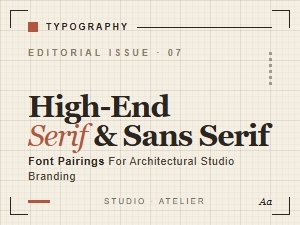 Elegant Serif and Sans Serif Font Pairings for Architectural Studios
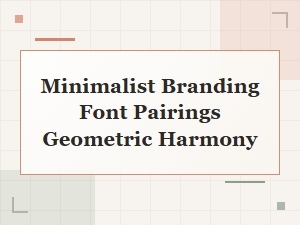 Minimalist Branding with Geometric Font Harmony
 High-Contrast Monospace Pairings for Scandinavian Branding