Finding the right high-end serif sans serif font pairings for architectural studio branding means balancing structural precision with elegant detail. An architectural firm needs typography that reflects its built environments, relying on clean lines grounded by thoughtful, classic proportions.
Why combine serif and sans serif for architecture?
A sans serif typeface provides the modern, structural foundation needed for wayfinding, technical documents, and clean digital interfaces. The serif counterpart adds a layer of heritage and sophistication, making it ideal for project titles, editorial spreads, and premium business cards. Together, they mirror the physical contrast between raw concrete and refined interior finishes.
How to match fonts to your studio's specific identity
Just as a stylist considers face shape and hair texture before making a cut, a brand designer must evaluate a studio's visual texture and structural focus. If your portfolio leans toward brutalism and heavy materiality, choose a stark geometric sans serif paired with a sharp, high-contrast serif. For studios focusing on sustainable, organic residential designs, a softer humanist sans serif alongside a traditional transitional serif creates a warmer identity.
You can also study how Scandinavian minimalist brand guides approach typography to understand how generous negative space and lighter font weights soften the overall presentation of heavy architectural photography.
What are the most common typography mistakes?
The biggest error is pairing two typefaces that share the exact same underlying skeleton but lack visual contrast. Using a geometric sans and a geometric serif with identical x-heights makes the visual hierarchy blur. Instead, create deliberate tension by mixing a rational neo-grotesque sans serif with an expressive Didone serif.
Another issue is ignoring optical sizing. A delicate display serif used for large architectural monographs will look fragile and break apart when scaled down for website navigation. Always select font families that offer specific optical sizes for both text and display use.
Many in-house teams also forget to check licensing for web fonts. A beautiful serif might be licensed only for desktop use, forcing you to swap it out for a cheaper alternative when building the studio's portfolio site. Verify web licensing before falling in love with a specific typeface.
If you are refining your brand identity internally, review our breakdown of luxury minimalist font combinations to see how simple tracking and leading adjustments elevate basic typefaces into premium assets.
Quick checklist for your next brand refresh
- Assign the sans serif strictly to functional text, captions, and digital interfaces.
- Reserve the serif for headlines, project names, and physical print collateral.
- Test the pairing at both 10pt for legal contracts and 72pt for presentation boards.
- Check how the italics of both families interact in pull quotes, taking cues from high-end fashion editorial pairings to maintain elegance in long-form text.
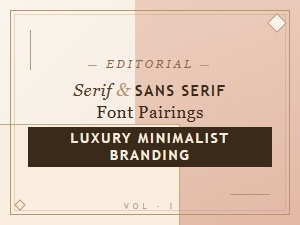 Serif and Sans Serif Pairings for Luxury Minimalist Brands
 Best Serif and Sans Serif Combos for Tech Startups
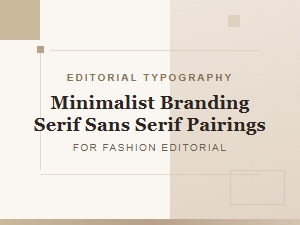 Minimalist Fashion Editorial: Serif + Sans Serif Pairings
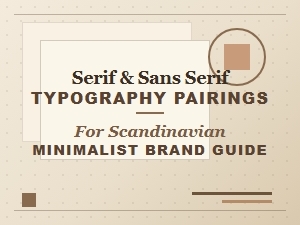 Serif and Sans Serif Pairings for Scandinavian Minimalism
 Minimalist Branding with Geometric Font Harmony
 High-Contrast Monospace Pairings for Scandinavian Branding